




Cancer in Cats: Warning Signs, Common Types, Diagnosis, and When It's Time

By Dr. Ray Spragley, DVM · Updated November 2026

Cats are very good at hiding illness, and cancer is no exception. By the time many cats show obvious signs, the cancer is often advanced. Knowing the subtle warning signs, and keeping up with yearly vet visits, gives your cat the best chance of catching it early. This guide covers the warning signs, the most common cancers in cats, how cancer is diagnosed and treated, and how to think about quality of life.

Tabby cat lying weakly on a blue blanket

Cats are very good at hiding illness, and cancer is no exception. By the time many cats show obvious signs, the cancer is often advanced. Knowing the subtle warning signs, and keeping up with yearly vet visits, gives your cat the best chance of catching it early. This guide covers the warning signs, the most common cancers in cats, how cancer is diagnosed and treated, and how to think about quality of life.

Why Cancer in Cats Is Easy to Miss

Cats instinctively hide weakness, so changes can be slow and quiet. A cat may eat a little less, hide a little more, or lose weight so gradually that it isn’t noticed at home.

A yearly appointment with your vet can pick up subtle changes you wouldn’t notice, like weight loss, a small mass, or changes in bloodwork. Senior cats benefit from checkups every 6 months.

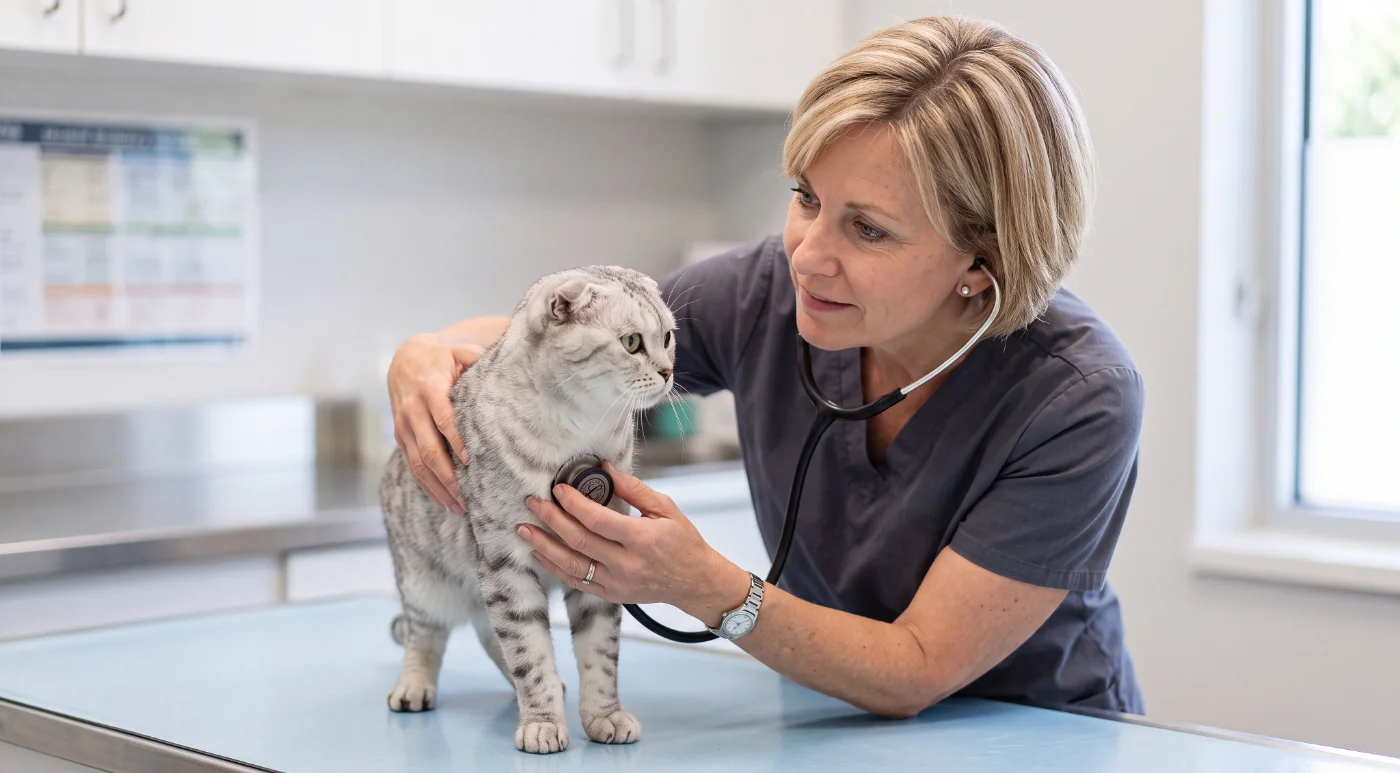
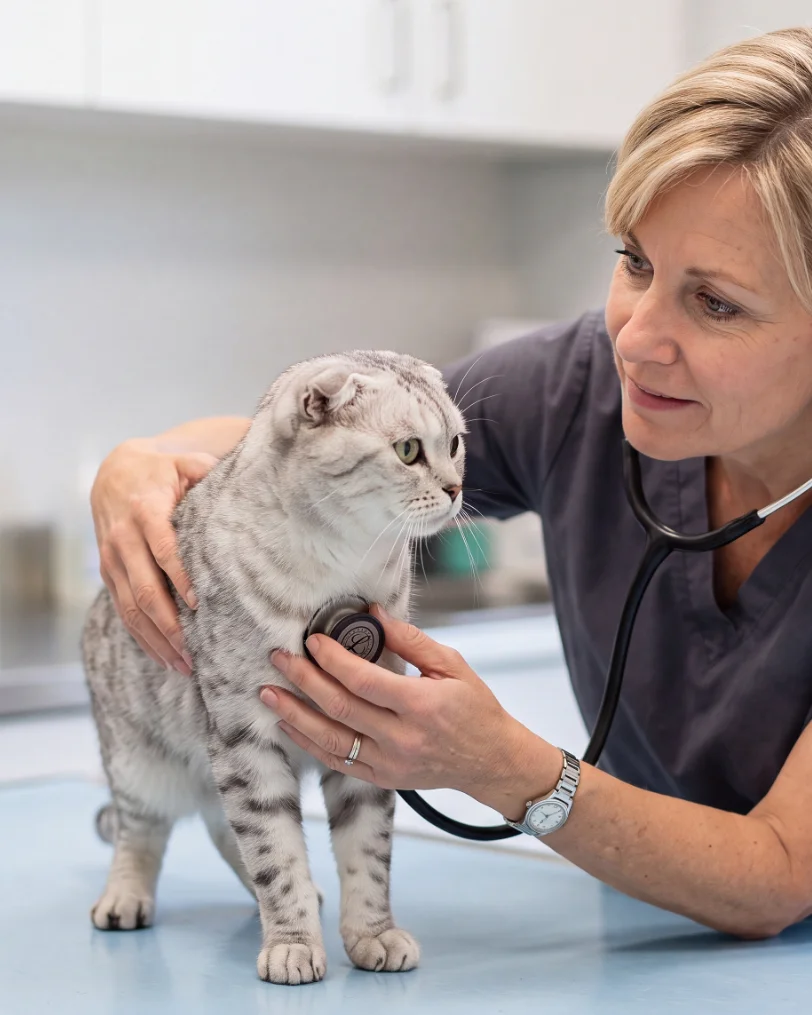
Veterinarian examining a cat with a stethoscope

Warning Signs of Cancer in Cats

  • Weight loss, even when your cat seems to be eating
  • Poor appetite or eating less
  • Vomiting or diarrhea that keeps coming back
  • Hiding or less interest in people
  • New lumps or bumps, especially on the belly, chest wall or between the shoulder blades
  • Drooling, bad breath or pawing at the mouth
  • Trouble breathing or heavy breathing
  • Sores that don’t heal, or a poor, unkempt coat

Many of these signs have other causes, but any of them is worth a vet visit. Our guide to a senior cat not eating covers other reasons for appetite changes.

Common Cancers in Cats

  • Lymphoma: the most common cancer in cats. It often affects the intestines, causing weight loss, vomiting and diarrhea, but can also occur in the chest, kidneys or nose. FeLV increases the risk
  • Oral squamous cell carcinoma: an aggressive cancer of the mouth that causes drooling, bad breath, bleeding and trouble eating
  • Mammary (breast) tumors: most mammary tumors in cats are malignant. Spaying early, ideally before 6 months of age, greatly reduces the risk
  • Injection-site sarcomas: firm masses that can develop where a vaccine or other injection was given. Any lump at an injection site that grows or is still there after 3 months should be checked

How Is Cancer Diagnosed in Cats?

  • Fine needle aspirate: often the first step for a lump that can be reached. It gives a good idea of the type of cells but is not definitive
  • Biopsy: tells exactly what the mass is, and often its grade
  • Ultrasound: great for finding masses in the abdomen and thickened intestines
  • X-rays: to look for masses in the chest and spread to the lungs
  • Bloodwork to check overall health and organ function

A referral to a veterinary oncologist can give you more treatment options and expert guidance.

Treatment Options

Treatment is very dependent on the type of cancer and its grade.

  • Surgery to remove masses when possible
  • Chemotherapy, which can help with some cancers such as lymphoma. Most cats tolerate chemo better than people do, with fewer side effects
  • Radiation for certain tumors
  • Palliative care, such as steroids, pain control and appetite support, which is sometimes the best option to keep a cat comfortable

When It's Time

A quality of life conversation is reasonable when:

  • Your cat stops eating or keeps losing weight despite treatment
  • Your cat is hiding and withdrawn most of the time
  • There is pain that medication can’t control
  • Your cat has trouble breathing
  • Your cat is no longer grooming, using the litter box or acting like themselves

Our guides to the signs a cat is dying and how to tell if a cat is in pain, and our quality of life scale, can help you think it through.

Frequently Asked Questions

What are the first signs of cancer in cats?

Often weight loss, a poor appetite, vomiting, hiding or a new lump. Early signs are usually subtle.

What is the most common cancer in cats?

Lymphoma, which often affects the intestines and causes weight loss, vomiting and diarrhea.

Does spaying prevent mammary cancer in cats?

Spaying early, ideally before 6 months of age, greatly reduces the risk of mammary tumors.

How is cancer in cats diagnosed?

Usually with a fine needle aspirate or biopsy, plus ultrasound and X-rays to look for masses and spread.

Do cats tolerate chemotherapy?

Most cats tolerate chemo well, with fewer side effects than people usually experience.

Can cancer in cats be cured?

Some cancers can be removed or controlled for a long time. Others can only be managed, and palliative care is sometimes the best option.

How can I catch cancer early in my cat?

Yearly vet visits, or every 6 months for senior cats, can pick up subtle changes like weight loss and small masses.

Caring for a Cat With Cancer

A cancer diagnosis doesn’t always mean the end is near, and many cats have good time with treatment or palliative care. If your cat’s cancer can no longer be managed comfortably, our guide to in-home cat euthanasia explains how we help families throughout New York City and Westchester County say goodbye at home.

This article is general information and is not a substitute for an exam by your own veterinarian.

Dr. Ray Spragley, DVM

About the author

Dr. Ray Spragley, DVM

Dr. Ray is the veterinarian and owner of Zen Dog Veterinary Care. He earned his veterinary degree from Ross University School of Veterinary Medicine, completed his clinical training at The Ohio State University, and has been in practice for more than a decade. His work today is devoted to in-home euthanasia and quality of life consultations for dogs and cats in New York City and Westchester County.


Meet Dr. Ray

Featured Posts